UNCONVENTIONAL HEADQUARTERS AND COMPANY CULTURE: AIRBNB, LEGO AND GOOGLE 

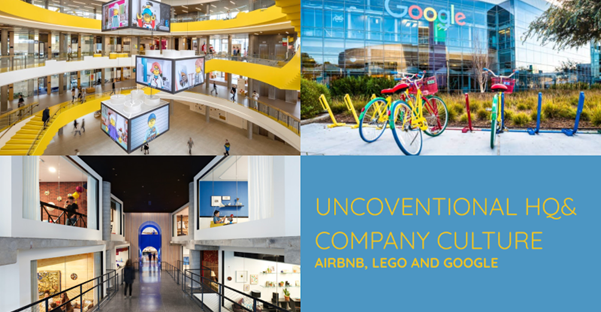
Company culture, meaning the shared set of values, behaviors, attitudes, and standards that define how an organization operates and interacts, is becoming more and more relevant, especially for the Gen Z: working for a good salary is not enough. Gen Z chooses based on benefits and the ‘general vibe’ of the company. So what about the headquarters?

Continua a leggere
BRAND IDENTITY & SUSTAINABILITY: THE MASCOTS OF MILANO CORTINA 2026

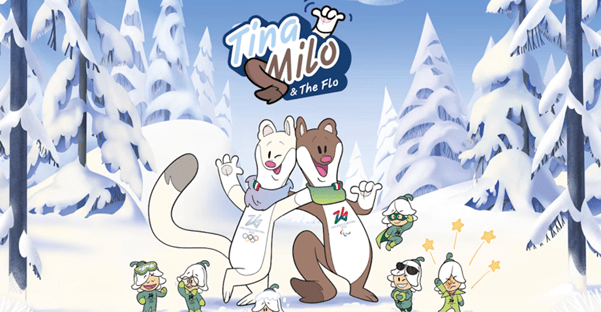
The Olympics are now finished, but the huge impact they had on Italy is still observable. The power of the mascots of the Milano Cortina Olympics is huge: they had an impact on culture and entertainment, gaining more and more visibility on social media and gaining a solid reputation. But what’s the story behind them?

Continua a leggere
creatività e algoritmo

CREATIVITA’ E ALGORITMO: CHI COMANDA DAVVERO NELL’ECOSISTEMA DIGITALE

La creatività contemporanea non nasce più in uno spazio neutro. Nasce dentro infrastrutture algoritmiche che influenzano profondamente ciò che viene visto, condiviso e ricordato. TikTok, Instagram e YouTube non sono semplici canali: sono sistemi che premiano determinati comportamenti creativi e ne penalizzano altri.

Continua a leggere
cinema italiano

CINEMA ITALIANO E MARKETING: QUANDO L’ESTETICA DIVENTA POSIZIONAMENTO

Il cinema italiano ha costruito la propria identità non sull’azione, ma sulla sospensione. Non sull’urgenza, ma sull’attesa. Questa grammatica narrativa, per anni considerata poco compatibile con il marketing, oggi è una delle fonti più potenti di ispirazione per la comunicazione di marca, soprattutto nei settori fashion, luxury e lifestyle.

Continua a leggere
transistors

THE TINY SWITCH THAT TRANSFORMED HUMANITY: A CULTURAL AND TECHNOLOGICAL HISTORY OF THE TRANSISTOR

When the first transistor, a small electronic device, was invented back in 1947 by William Shockley, John Bardeen, and Walter Brattain, nobody could ever have imagined the powerful revolution that it would have led to.

Continua a leggere
marketing vero

L’IMPERFEZIONE COME STRATEGIA: PERCHE’ IL MARKETING “VERO” FUNZIONA PIU’ DEL MARKETING PERFETTO

Per oltre due decenni la comunicazione di marca ha inseguito un ideale di perfezione estetica: immagini patinate, video ad alta definizione, montaggi impeccabili, volti stereotipati. Questo modello nasceva da una logica top-down, in cui il brand rappresentava un ideale aspirazionale distante dal quotidiano del consumatore. Oggi quello stesso ideale è diventato un limite.

Continua a leggere
tic-tac-toe

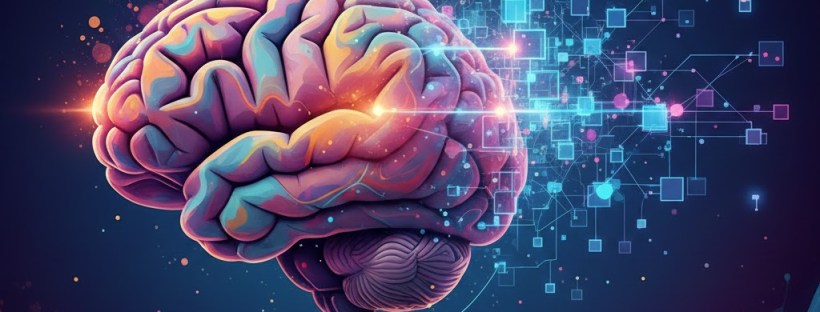
TIC-TAC-TOE AND BEYOND: THE RISE OF AI IN EVERYDAY LIFE

In the 1950-60s, an automated version of tic tac toe emerged, bringing for the first time computers inside games. More than seventy years later, AI became the new horizon of technology, penetrating in everyday life.

Continua a leggere

BRAND CHE PARLANO ALLE PERSONE: LA FINE DEL CORPORATE VOICE

L’idea che un brand debba parlare “in modo professionale” è uno dei dogmi più duri a morire nel marketing tradizionale. Eppure, nel contesto attuale, è proprio quel linguaggio a generare distanza.

Continua a leggere
sonic branding

LA MUSICA COME BRANDING: QUANDO LE CANZONI DIVENTANO STRATEGIA DI MERCATO

Negli ultimi cinque anni, la musica ha assunto un ruolo che va ben oltre la funzione decorativa o di accompagnamento nella comunicazione di marca. Oggi, in molti casi, la musica è il primo punto di contatto tra brand e consumatore, il vero driver di scoperta del contenuto, e spesso l’elemento che determina il successo o il fallimento di una campagna.

Continua a leggere
Schwartz

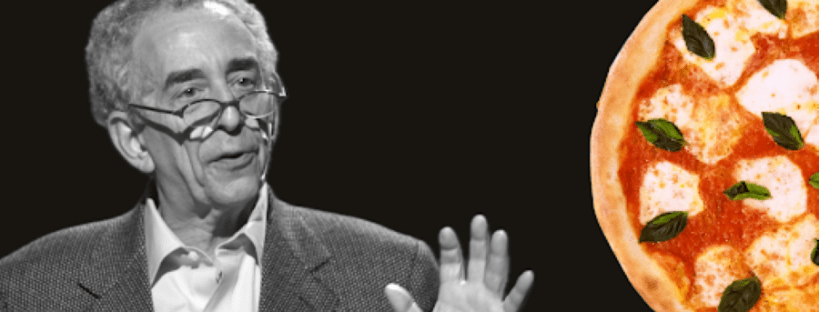
TOO MANY TOPPINGS: THE PARADOX OF CHOICE IN EVERYDAY DECISION-MAKING

The more toppings you can put on your pizza, the more you feel indecisive and struggle with the decision-making process. The paradox of choice, a theory developed by the psychologist Barry Schwartz in the 2000s, explains why this phenomenon occurs. 

Continua a leggere